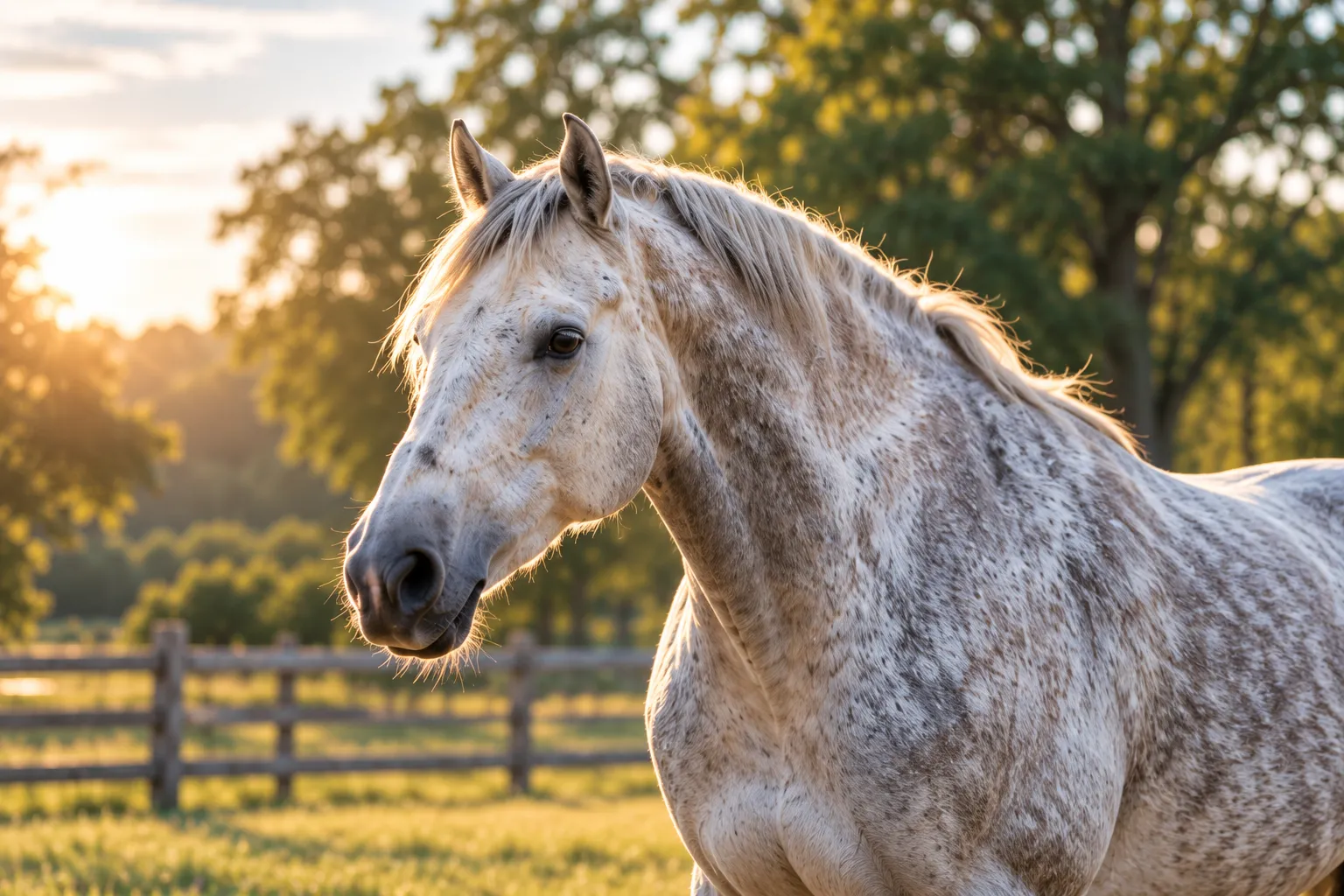
Carnosine is a naturally occurring dipeptide made from beta-alanine and histidine.
It occurs naturally in skeletal muscle and other tissues — and equine muscle contains substantial amounts of it.
Because it is present in working muscle, researchers study carnosine for its role in the muscle environment during high-intensity activity.
Areas of interest
Why Carnosine for Horses?
Themes horse owners and professionals explore. These are areas of interest and research questions, not proven outcomes.
Supporting Active Horses
Carnosine occurs naturally in equine skeletal muscle, which is why it is a topic of interest for people focused on how horses work and perform.
Recovery & Rehabilitation
An area practitioners and owners are interested in exploring. Recovery and rehabilitation outcomes have not been directly tested in the equine topical study.
Muscle Function
Equine muscle contains substantial carnosine, with higher concentrations reported in fast-twitch fibres involved in high-intensity activity.
Mobility
A context in which carnosine is discussed by horse owners and professionals. Mobility outcomes are a question for future research.
Mature Horses
Owners of older horses are interested in how carnosine relates to long-term care. This is an area of interest, not a proven outcome.
Research
A controlled equine study used muscle biopsies to measure carnosine inside the muscle after topical application.
Delivery
Why Topical?
Topical doesn't mean better. It means different.
TopicalApplied externally to a selected area.
OralTaken by mouth and follows a systemic pathway.
These are different application approaches. Neither should automatically be assumed to be universally better.
Equine research
Equine Research
The peer-reviewed study that measured carnosine inside horse muscle after topical application.
006 / THE STUDY
Transdermal delivery of carnosine into equine skeletal muscle
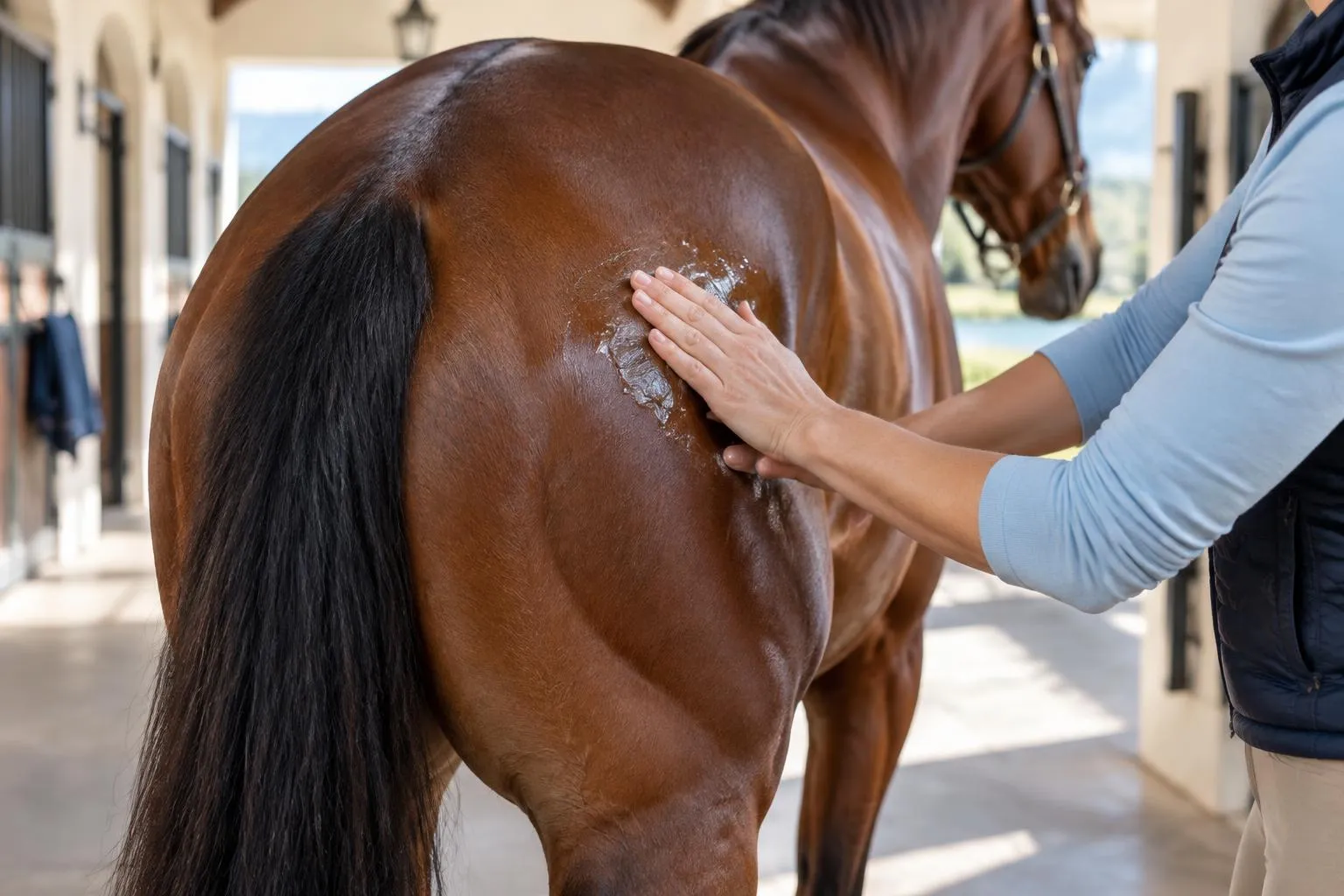
Middle gluteal muscle
Study application and biopsy area: the middle gluteal muscle of the hindquarter.
Journal
Comparative Exercise Physiology
Year
2021
Design
Randomized, placebo-controlled crossover study
Subjects
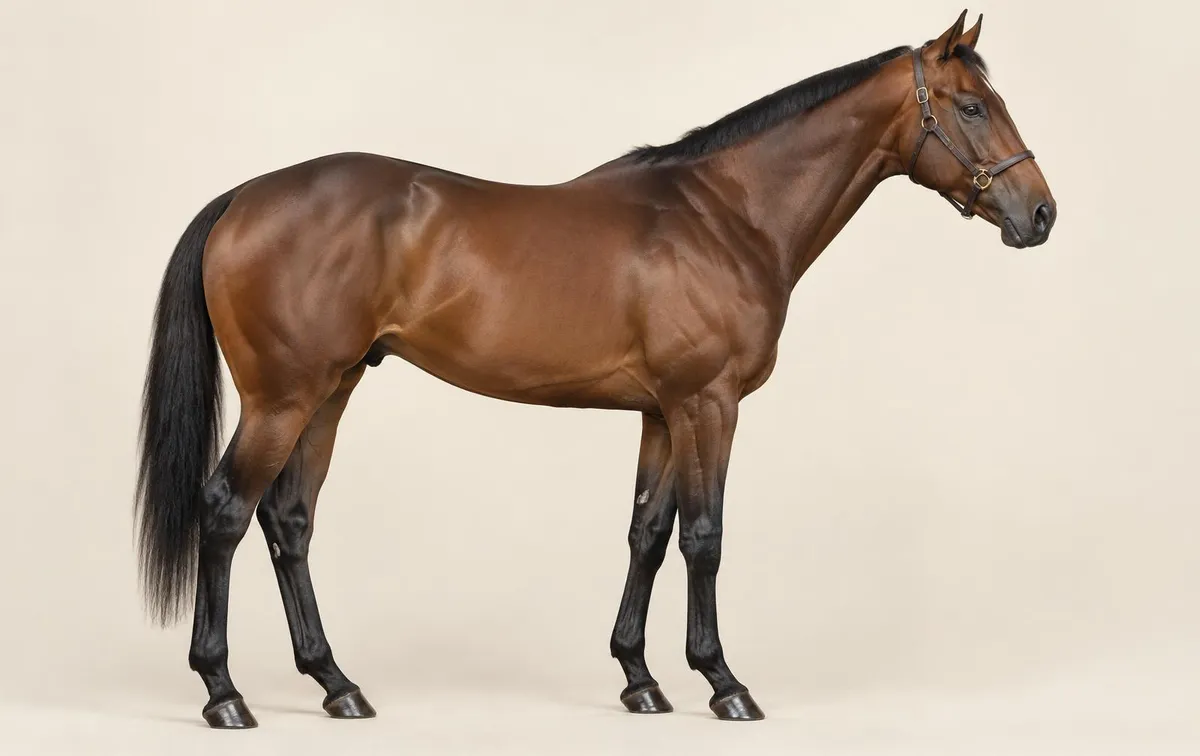
10 Thoroughbred racehorses
Application area
Middle gluteal muscle
Measurement
Muscle biopsies
BASELINETopical carnosine or placebo applied
30 MINMuscle biopsy
60 MINMuscle biopsy
120 MINMuscle biopsy
THE MEASURED FINDING
≈ +35%at 30 minutes
≈ +46%at 60 minutes
Intramuscular carnosine concentration was higher after carnosine application than after placebo at 30 and 60 minutes.
At 120 minutes, the difference from placebo was not statistically significant.
RELATIVE DIFFERENCE VS PLACEBO
Conceptual view of reported relative differences. Not raw concentration data. 120-min position is illustrative only.
WHAT DID THEY ACTUALLY PROVE?
The study provides direct evidence that topical application using the tested transdermal system increased measured carnosine concentration in equine skeletal muscle within 60 minutes.
WHAT IT DID NOT TEST
The study did not directly measure racing speed, competition results, athletic performance, soreness, or recovery outcomes.
WHY THIS STUDY MATTERS
Most topical performance claims rely on how a product feels on the skin. This study went further: researchers took muscle biopsies and measured carnosine inside the muscle itself.
That makes the equine study an important piece of evidence in understanding topical carnosine delivery.
HORSES & MUSCLE CARNOSINE
Equine skeletal muscle contains substantial amounts of carnosine, with higher concentrations reported in fast-twitch muscle fibers involved in high-intensity activity.
Sewell DA, Harris RC, Marlin DJ, Dunnett M. “Estimation of the carnosine content of different fibre types in the middle gluteal muscle of the thoroughbred horse.” The Journal of Physiology. 1992.
How a product feels on the skin says nothing about what reaches the muscle. Biopsies let researchers measure carnosine inside the middle gluteal muscle directly.
Key observations
≈ +35%vs placebo at 30 minutes
≈ +46%vs placebo at 60 minutes
Not significantat 120 minutes
What it means
In 10 Thoroughbred racehorses, measured muscle carnosine was higher after topical application than after placebo within 60 minutes. The study did not measure performance, soreness or recovery.
Disciplines
Supporting Horses Through Activity & Daily Care
Carnosine is discussed across a broad range of horses and disciplines. These are contexts of interest, not discipline-specific proven outcomes.
Dressage
Precision, collection and sustained muscular control.
Jumping
Explosive power and repeated high-intensity efforts.
Endurance / Training
Long sessions, conditioning and regular work.
Racing
Speed and short, maximal efforts — the setting of the equine study's Thoroughbreds.
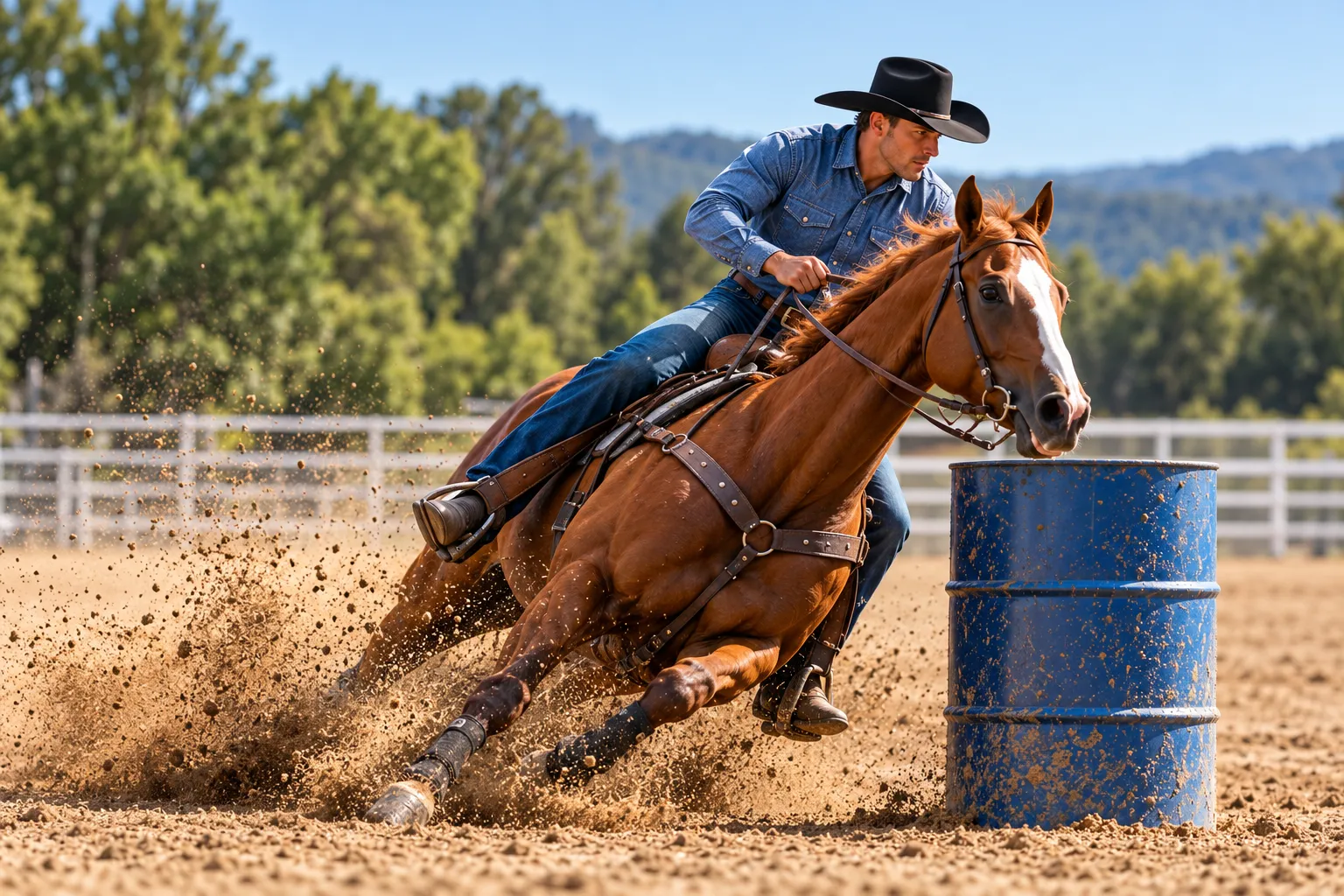
Barrel Racing
Fast turns and short bursts of acceleration.
Recreational Horses
Everyday riding and active companion horses.
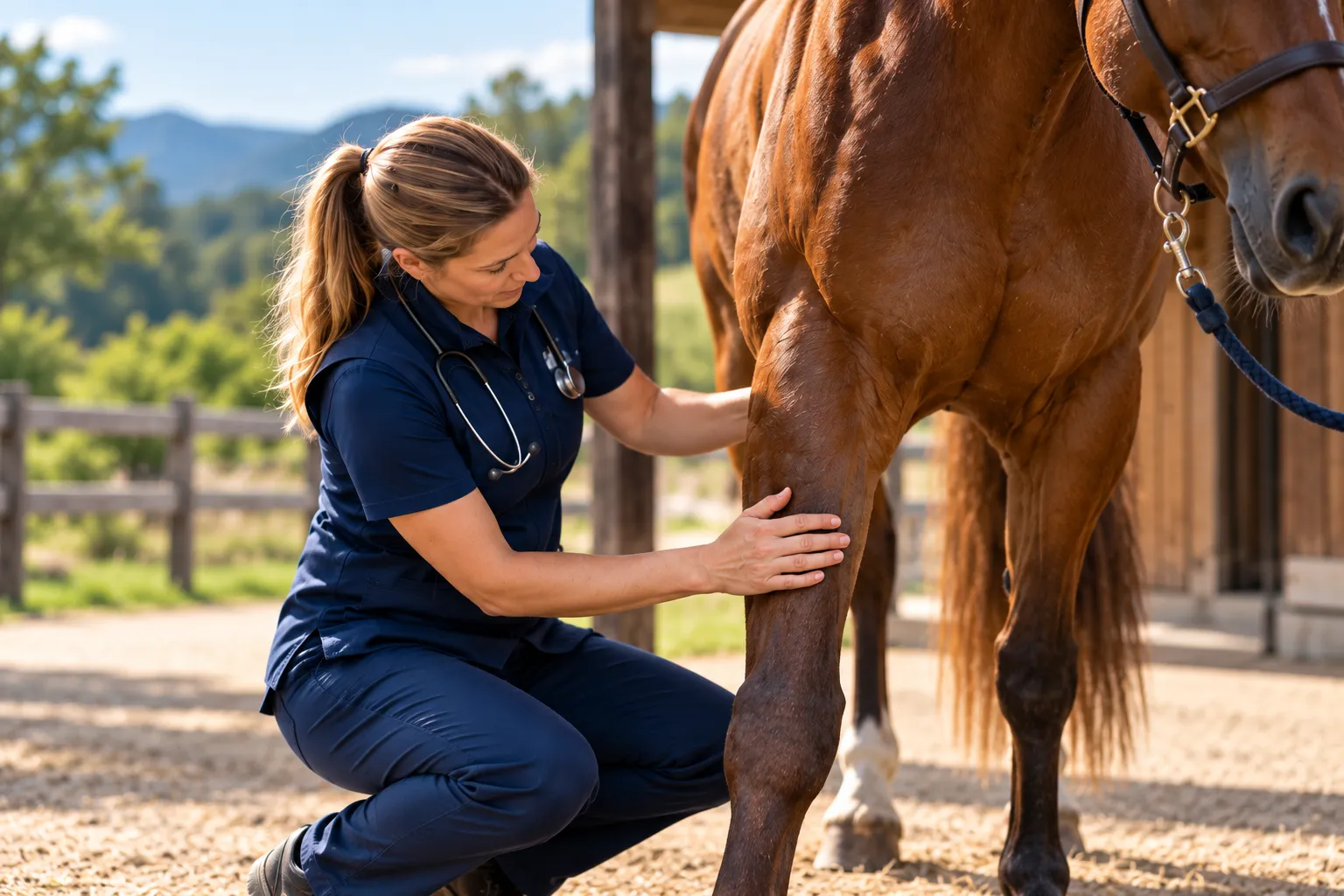
Rehabilitation
A context where professionals are exploring topical carnosine.
Mature Horses
Long-term care for older horses.
Use
How FortiGo Is Used
Apply Fortigo to targeted areas and massage in thoroughly. Use as part of your horse’s daily care routine, before activity, or after work as needed.
Always follow the current product label and appropriate animal-care guidance.
Animal Health
Active Support for Sport + Daily Care
Fortigo is a topical carnosine gel designed for use on horses as part of their daily care routine.
Whether your horse is training, competing, aging, or simply staying active, Fortigo can be applied to targeted areas to help support surface comfort, ease of movement, and overall wellness.
Designed For
Sport Horses
Support comfort before and after training, competition, or regular work.
Companions
Help support daily movement and comfort as part of your horse’s care routine.
Seniors
A simple topical option to support wellness and everyday mobility.
Why Horse Owners Use Fortigo
Fortigo is easy to apply, topical, and designed for targeted use. Massage into the areas where your horse needs support as part of your regular grooming, training, or care routine.
Use Fortigo to help your horse feel prepared for activity, daily movement, and post-activity care.
Simple Application
Apply Fortigo to targeted areas and massage in thoroughly. Use as part of your horse’s daily care routine, before activity, or after work as needed.
For animal topical use only. Not for use on humans.
Start with the questions people ask before they understand the science, the products, or the difference between human and animal use.
Carnosine
Carnosine is a naturally occurring dipeptide made from beta-alanine and histidine. It is found in skeletal muscle and other tissues and has been studied for its role in the muscle environment during high-intensity activity.
Carnosine occurs naturally in skeletal muscle and is also present in other tissues. Muscle carnosine levels vary between species, individuals and muscle types.
Carnosine is formed from two amino acids: beta-alanine and histidine.
Researchers study carnosine because it is present in working muscle and may influence aspects of the muscle environment during intense activity. Research continues into how carnosine availability relates to performance and muscle physiology.
No. Beta-alanine is one of the two amino acids used by the body to form carnosine. Carnosine itself is the finished dipeptide made from beta-alanine and histidine.
Topical application
Topical carnosine refers to a formulation containing carnosine that is applied externally to the skin rather than taken by mouth.
Topical carnosine is applied to a selected external area. Oral supplementation is taken by mouth and follows a systemic pathway. These are different application approaches, and one should not automatically be assumed to be universally better than the other.
A published equine study reported higher measured intramuscular carnosine concentrations at 30 and 60 minutes after topical carnosine application compared with placebo. Equivalent direct measurement in humans requires further study.
Yes. A 2025 peer-reviewed study in seven world-class rugby sevens players examined topical carnosine gel during repeated high-intensity exercise. Higher peak power was reported in several specific sprint efforts compared with placebo, while mean power, heart rate and perceived exertion did not show a treatment effect.
Current research is promising but limited. Individual responses may vary, and the available studies should not be interpreted as proof that every person, animal, sport or activity will respond the same way.
Horses & pathways
Carnosine is discussed across many equine contexts, including dressage, jumping, endurance and training, racing, barrel racing, recreational riding, rehabilitation settings and mature horses. These are contexts of interest, not proven outcomes for each discipline.
Yes. A peer-reviewed 2021 equine study used muscle biopsies to measure intramuscular carnosine after topical application and reported higher concentrations at 30 and 60 minutes compared with placebo. The study did not test racing performance, recovery or competition outcomes.
No. The information on this website is educational and is not veterinary advice. For questions about a horse's health, condition or treatment, consult a qualified veterinarian.
A programme for professionals who work directly with horses, such as rehabilitation specialists, therapists, bodyworkers, trainers and performance centres. You can request practitioner information on the Equine Professionals page.
A separate pathway for established equine and animal-wellness marketers, creators, affiliates, business owners and community builders. It is distinct from the Practitioner Program. You can request partner information on the Equine Partners page.
You've seen the science. You've seen the products. Now choose your performance world.
Enquiries
Questions about carnosine for horses?
Ask about the equine research or topical carnosine for horses.
The science inside the equine athlete.
Start with the research, or find FortiGo for your horse.